Summer on Jeju moves between hydrangea lanes, leafy ravines and bowls of chilled raw-fish soup. Give the flowers, a walk and lunch their own time, and the day can change with the rain.
In this guide
A roadside ribbon of hydrangeas at Jongdal-ri
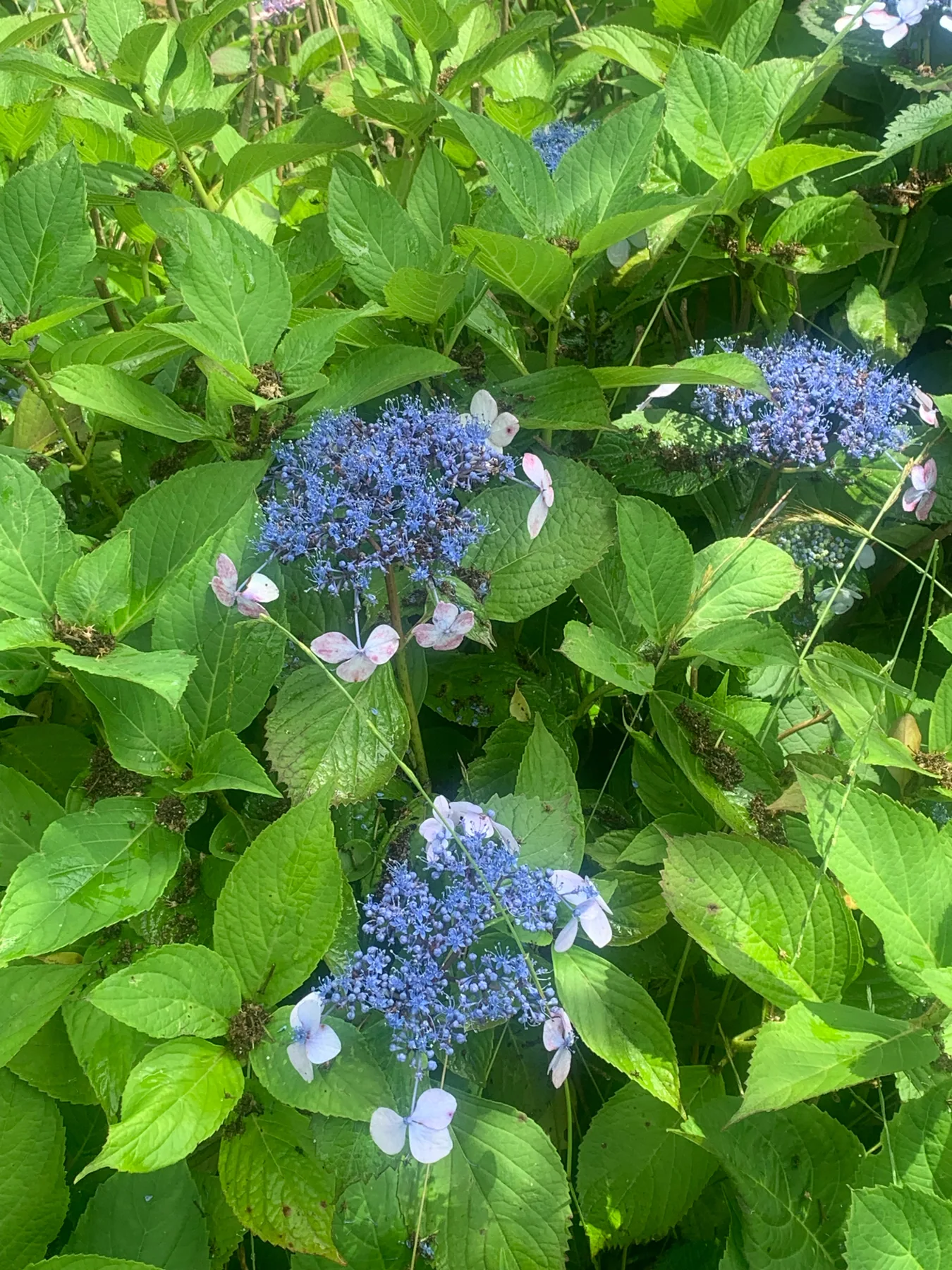
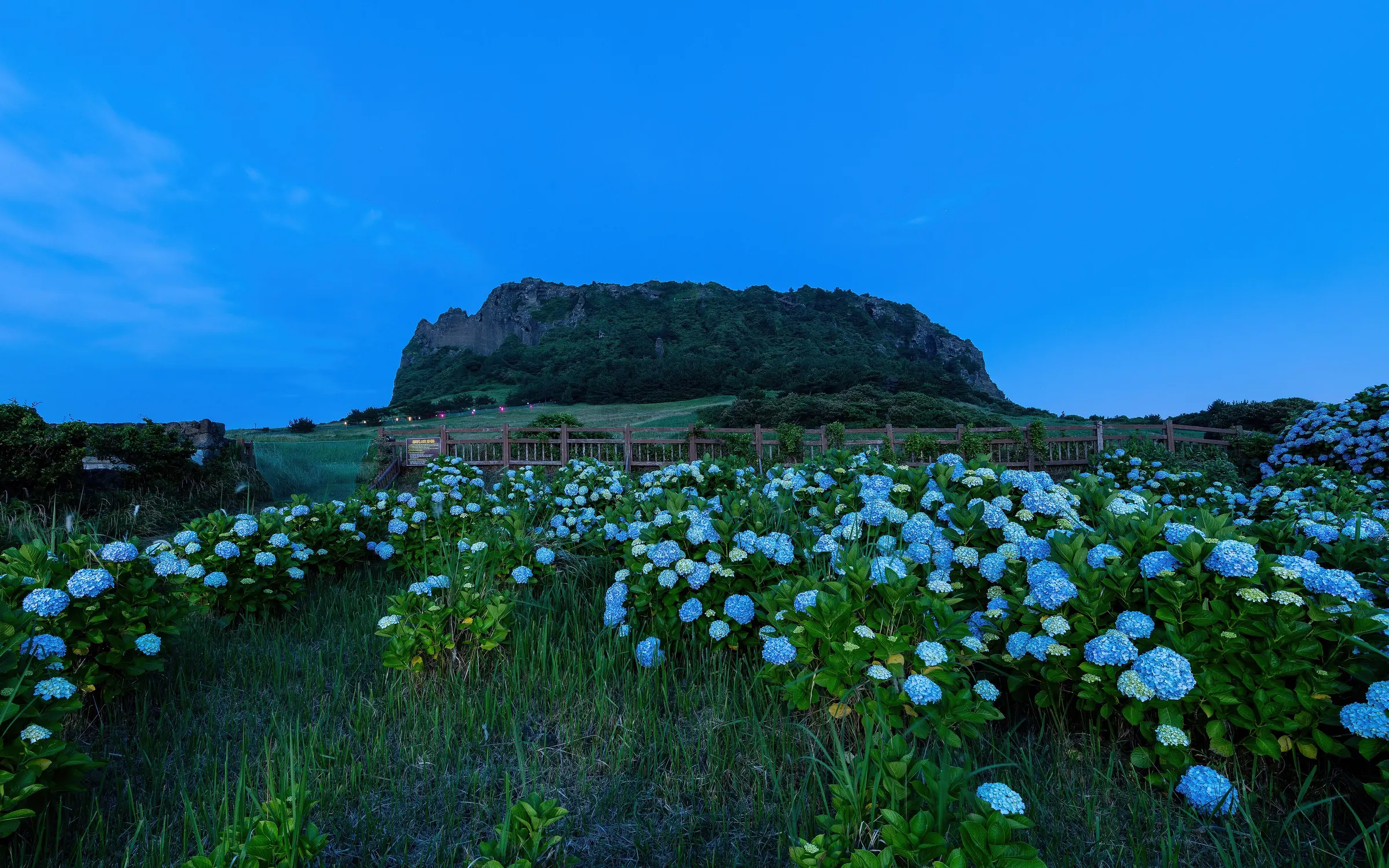
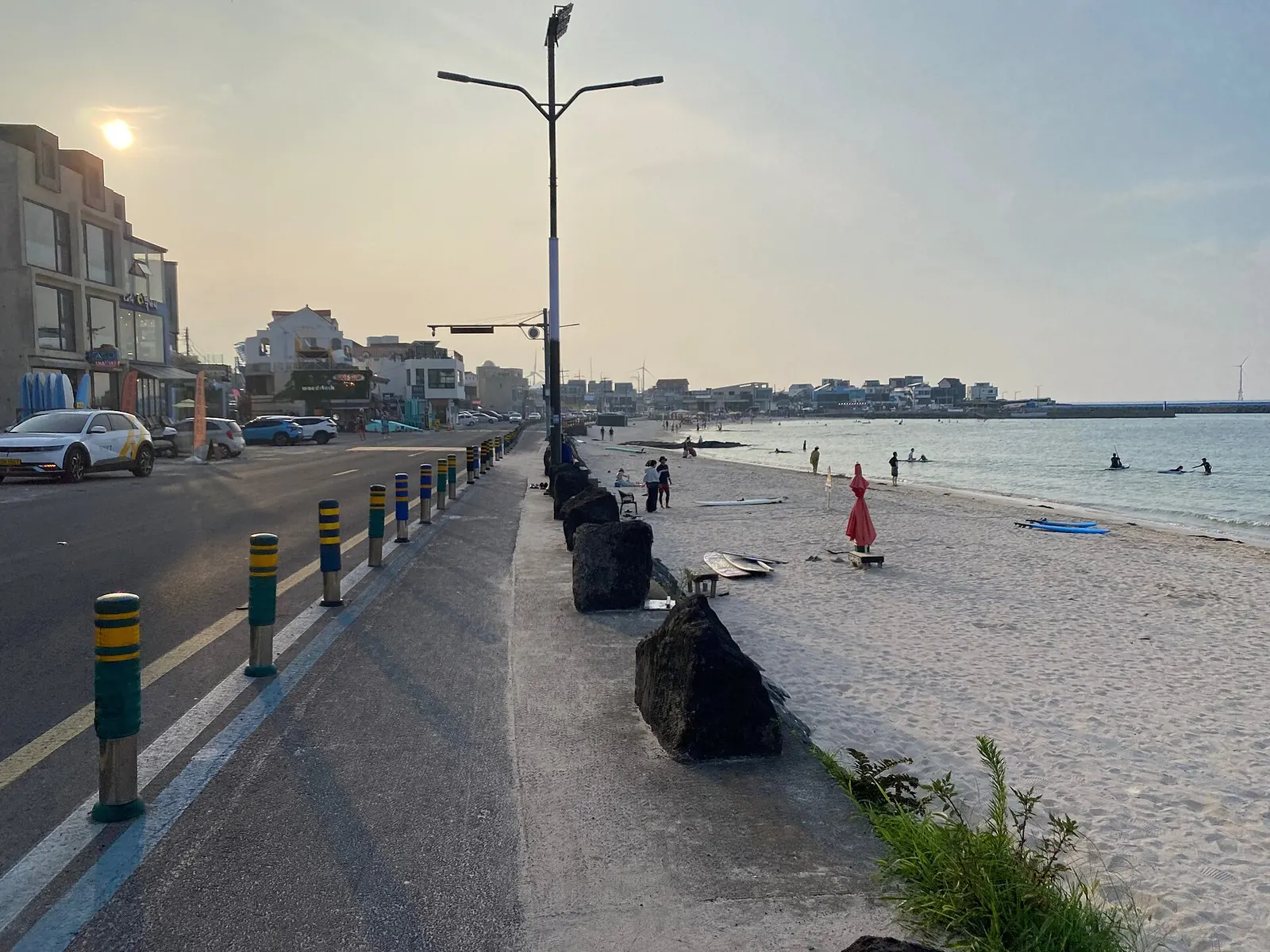
At Jongdal-ri, hydrangeas line a stretch of road near the coast. Close up, each head resolves into a cluster of smaller flowers. Step back from a suitable pedestrian spot and the whole strip sits in its coastal setting. Look for two neighbouring heads at different stages of bloom. There is no need to step into the road to see the difference.
What makes the shade in Bijarim
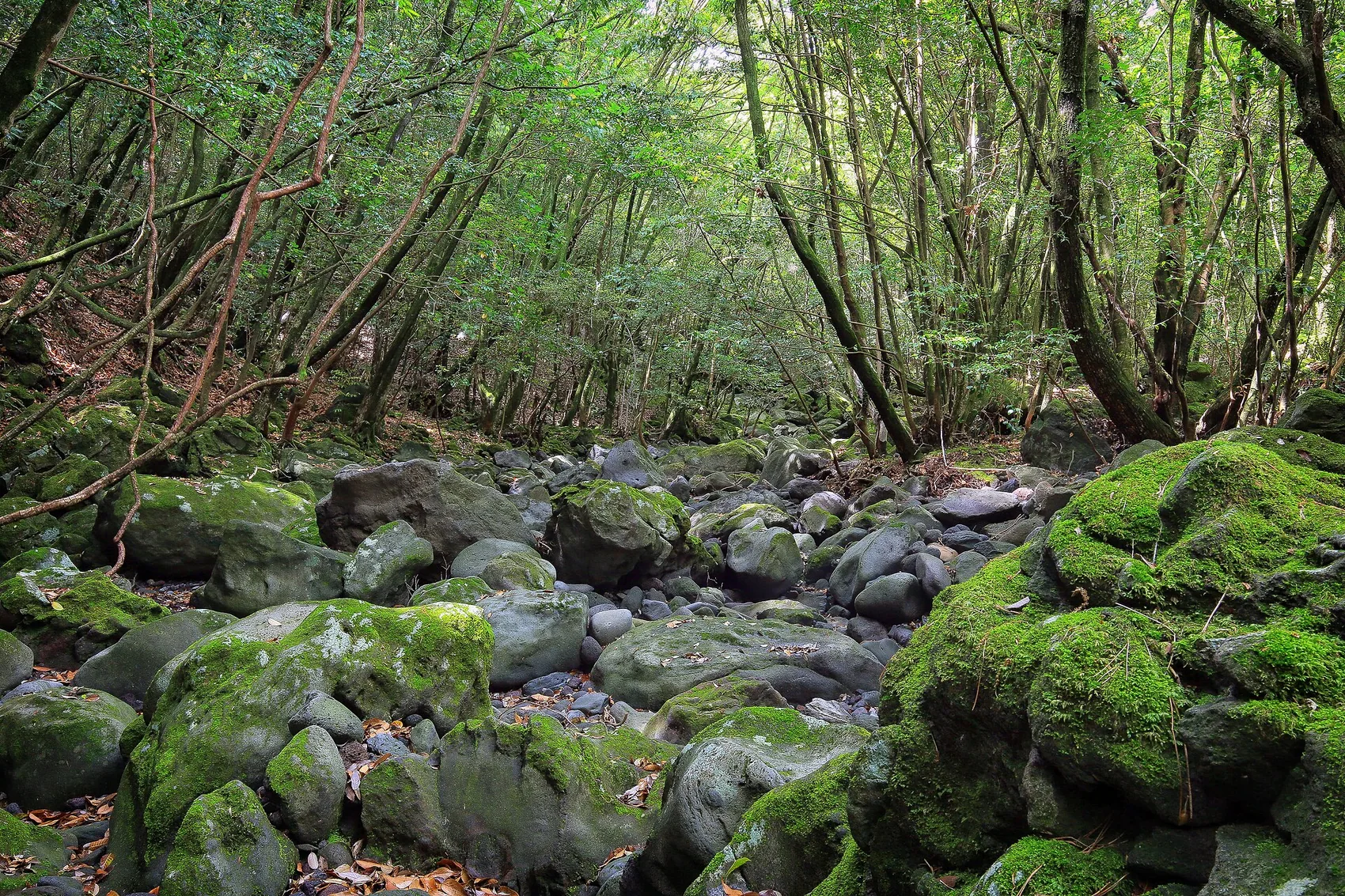
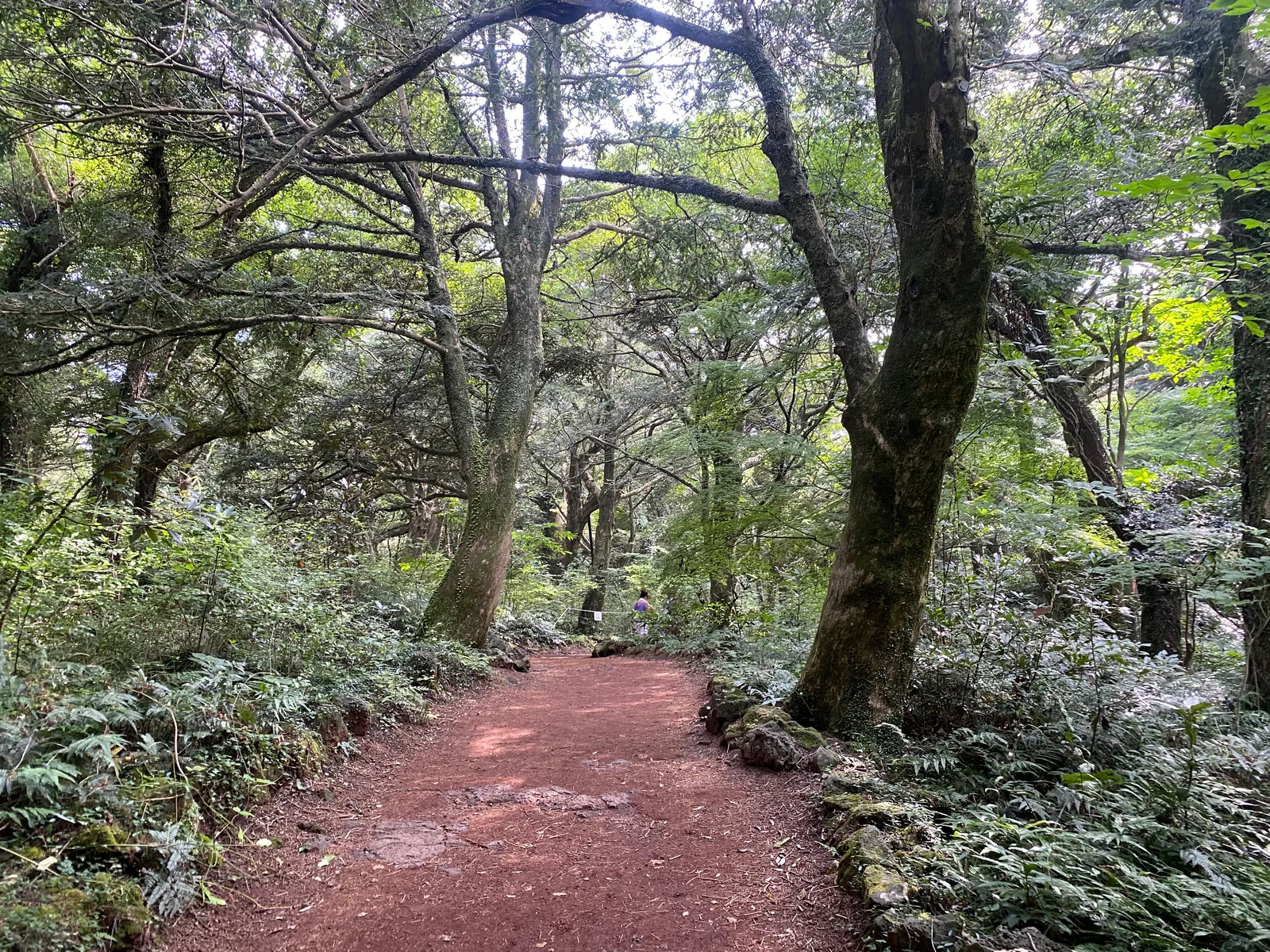
For a change from an exposed shoreline, spend part of the day under the canopy at Bijarim in inland Gujwa. Light falls through gaps between old evergreen torreya and neighbouring broad-leaved trees. From a wider part of the path, follow a patch of light upwards to the branches, then back down to the reddish volcanic surface of the trail.
The summer fish behind jari mulhoe
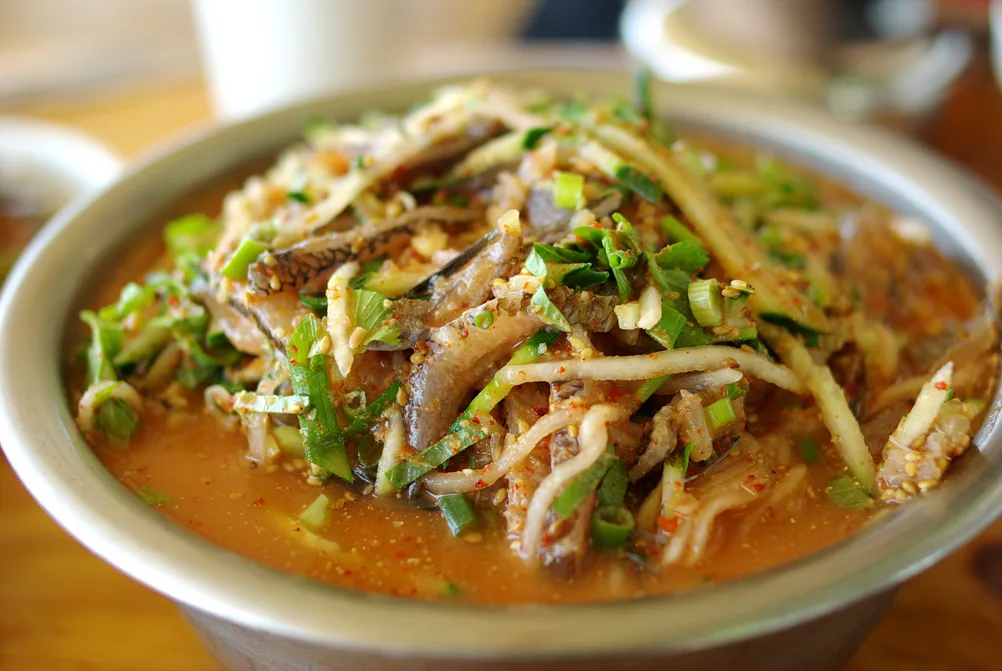
Look for 자리물회, jari mulhoe, a chilled raw-fish soup made with small damselfish. A traditional Jeju dressing starts with fermented soybean paste and a sour seasoning, giving the broth a distinctive savoury edge. Ask which fish and seasoning the kitchen is using. A spoonful of the broth before the fish is a good way to notice a cook’s particular balance.
Photo notebook
Related information
Browse the seasonsJEJU HOW editors