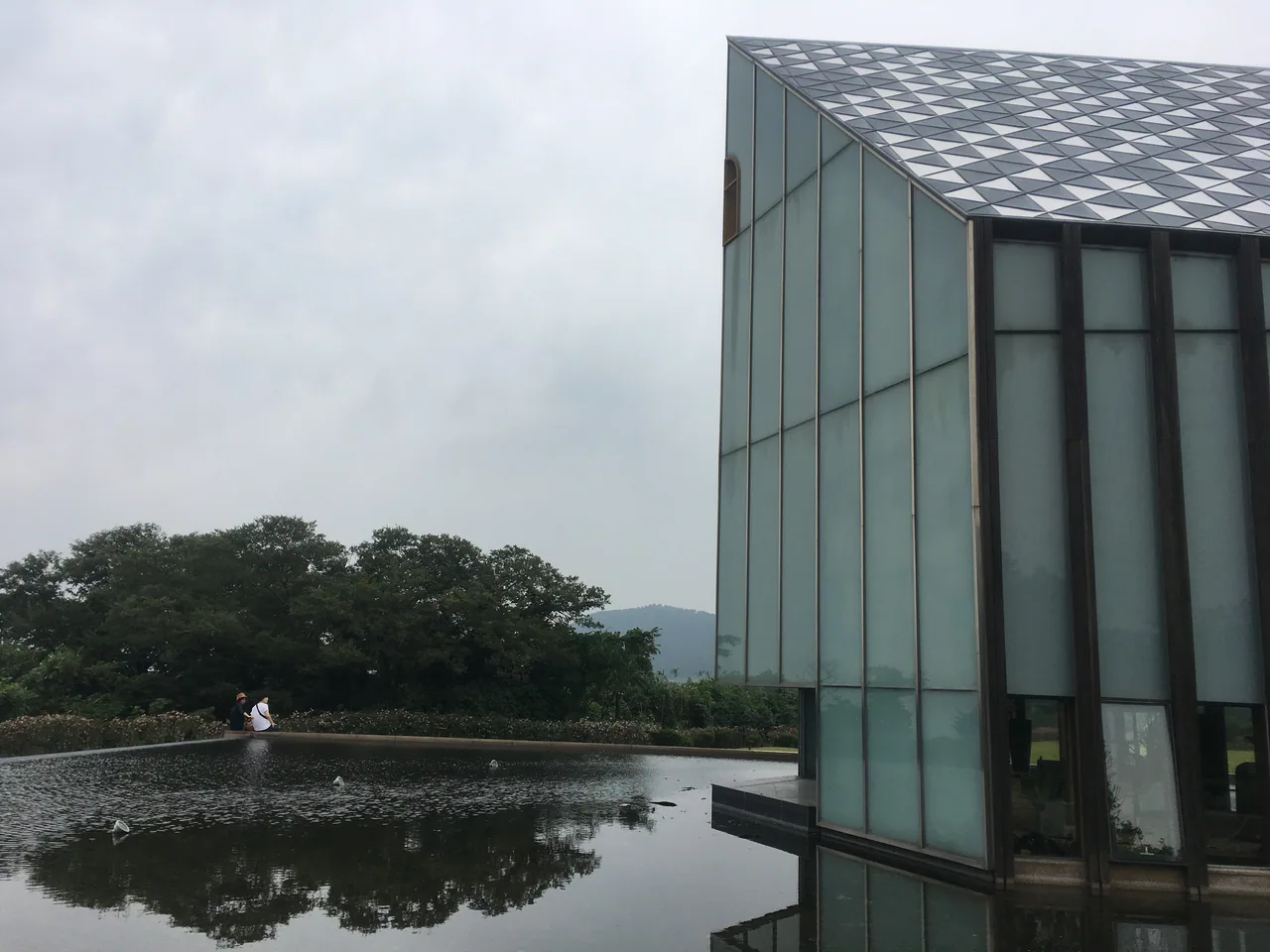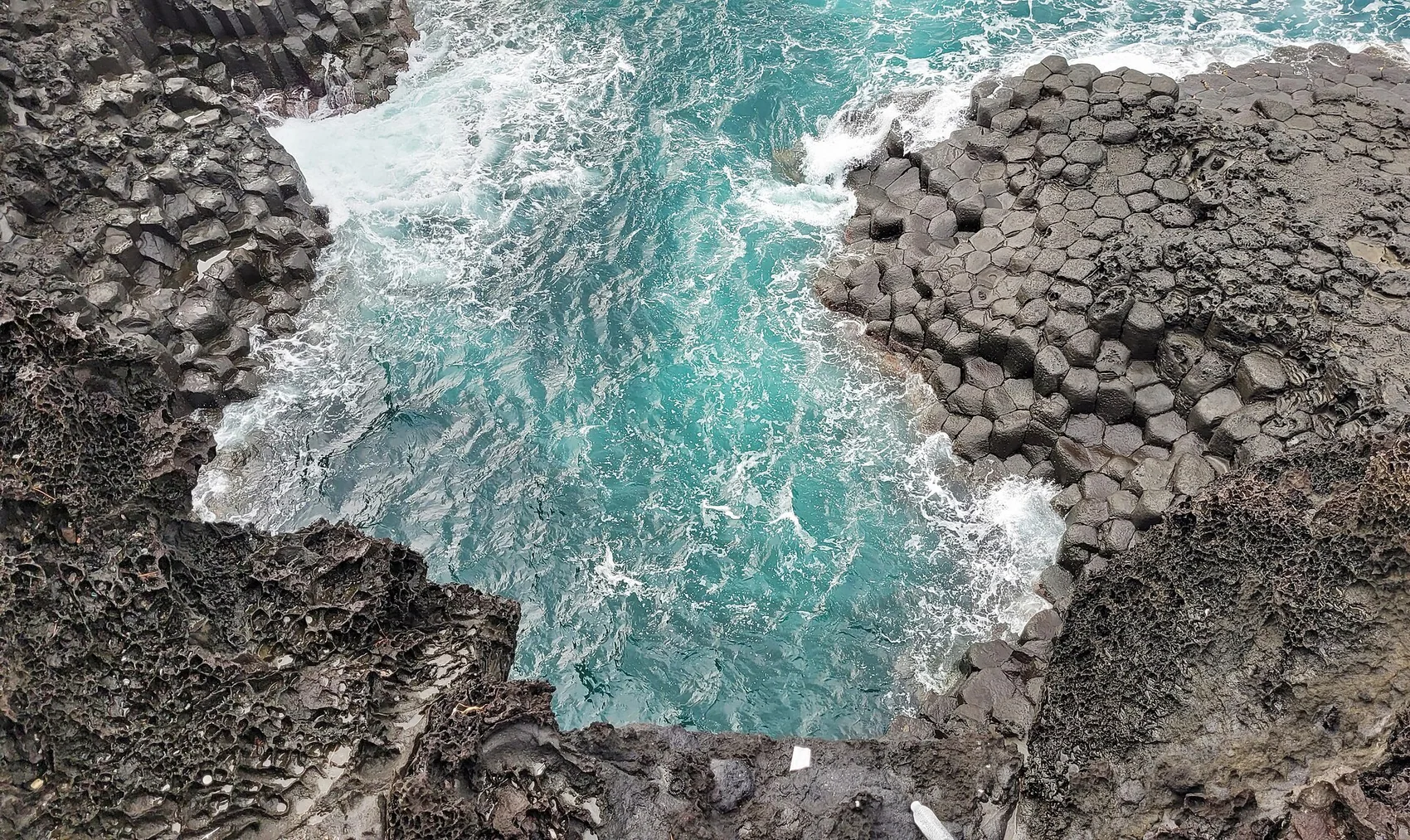
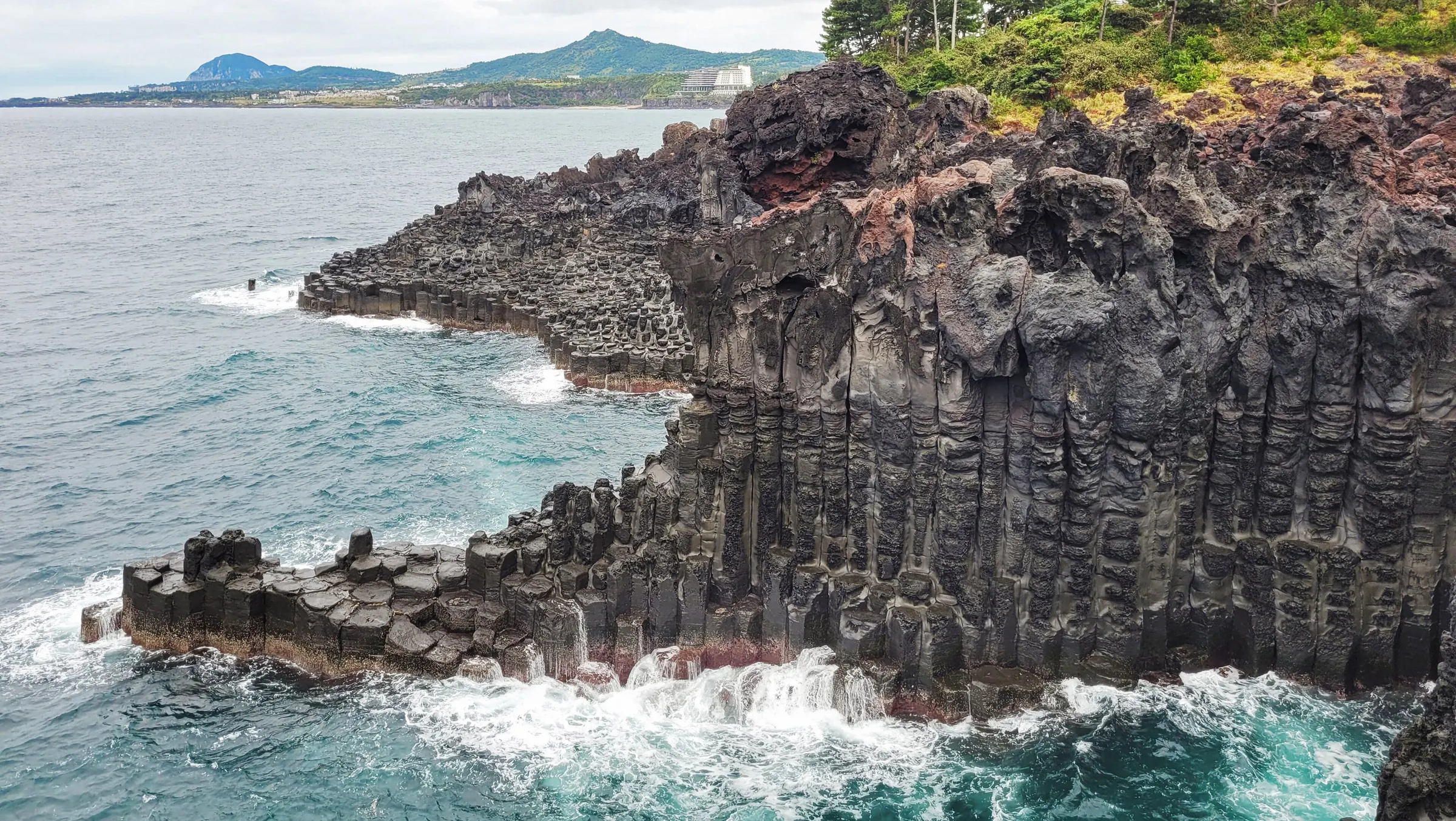
Trace the south coast from Jungmun’s basalt cliffs to the waterfalls and streets of Seogwipo.
In this guide
From a wooded pool to an open harbour
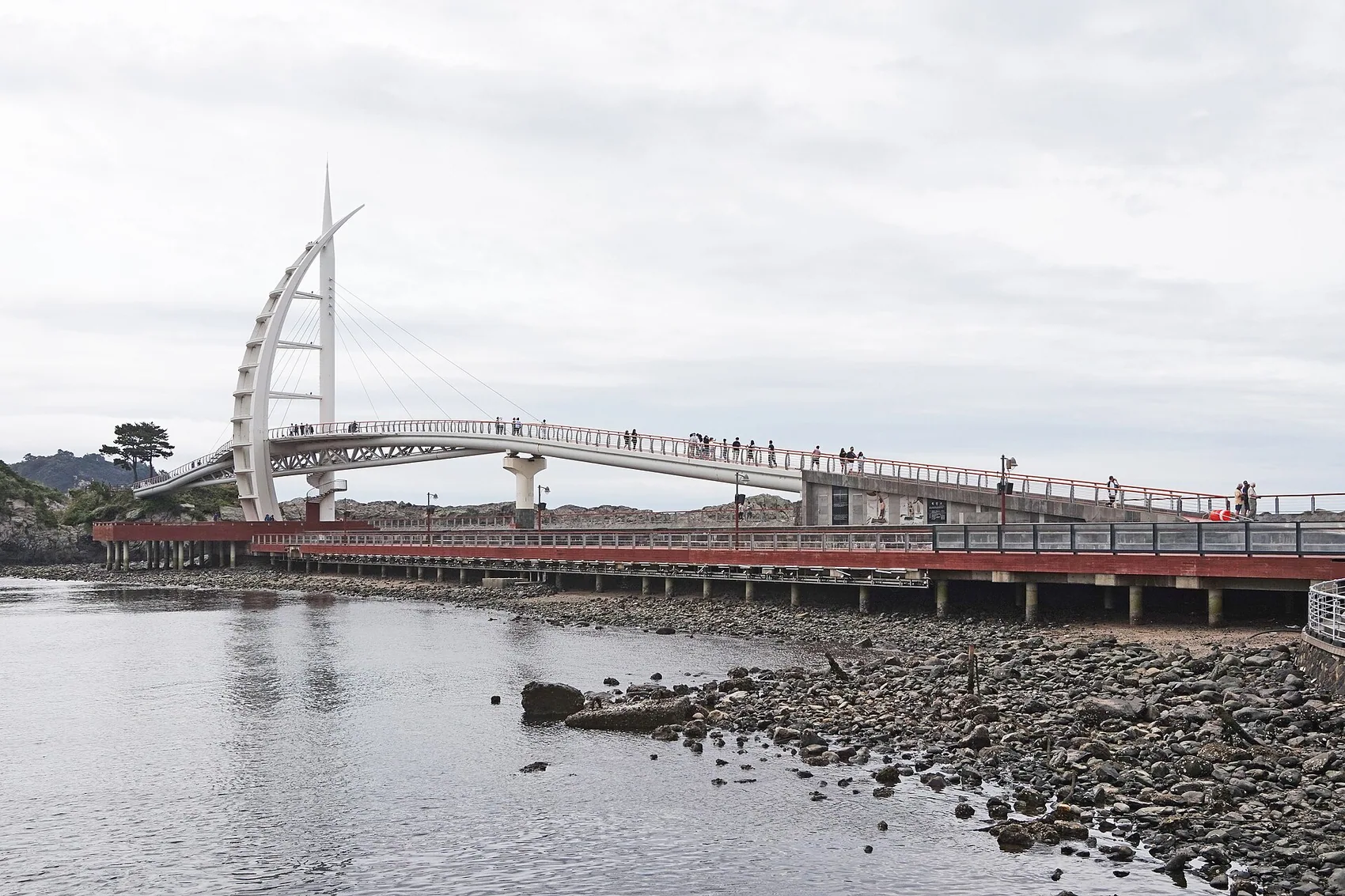
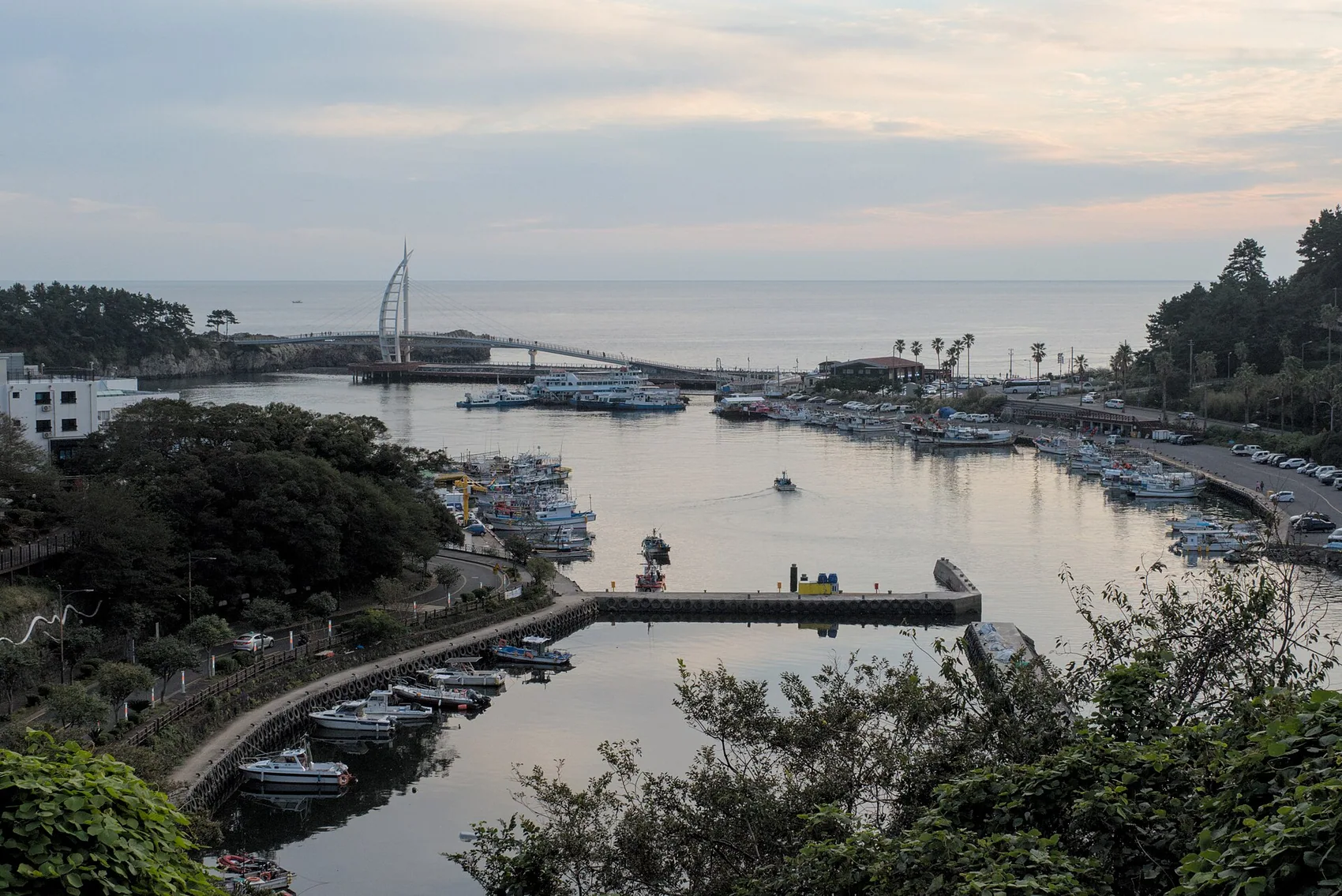
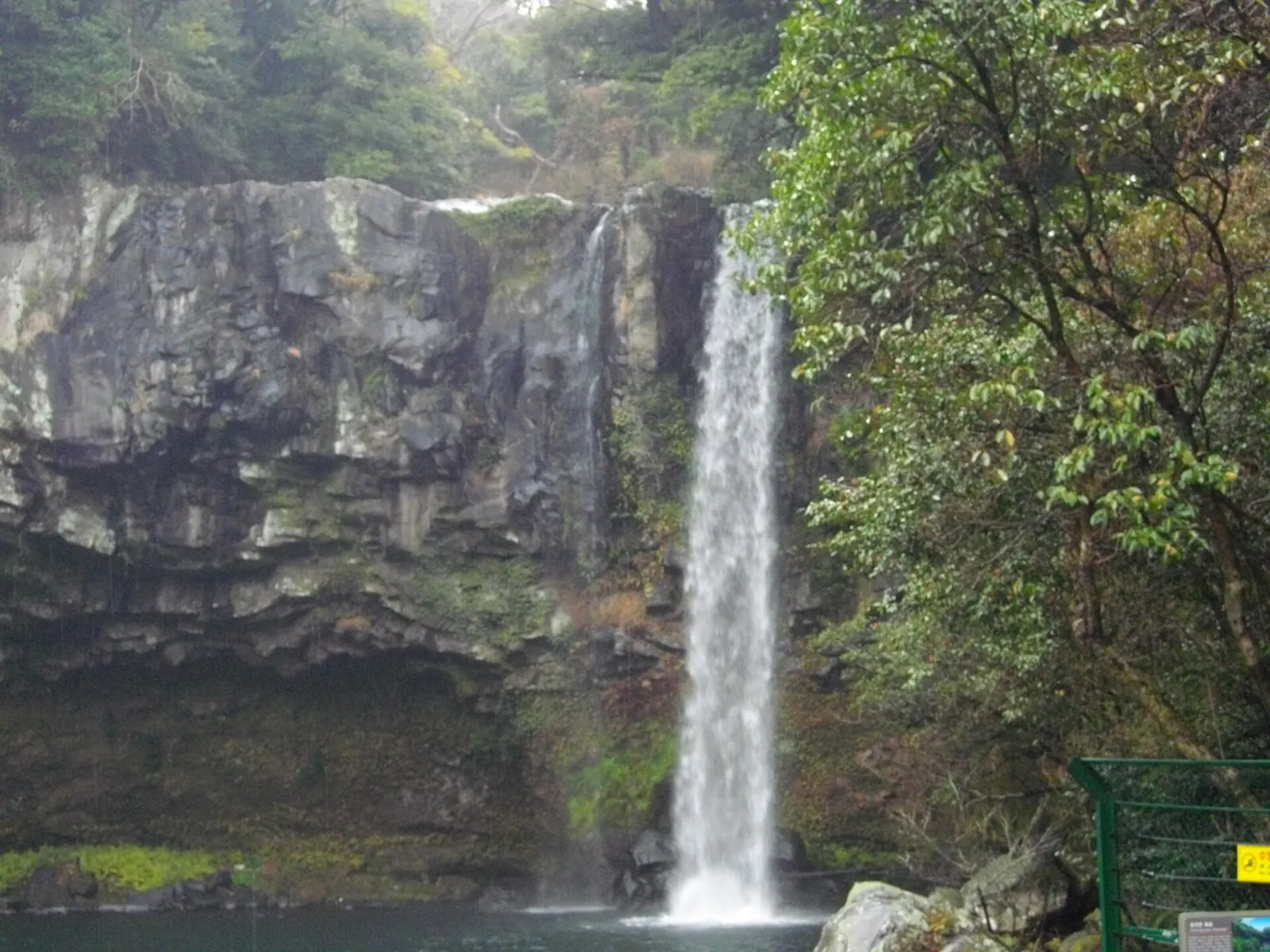
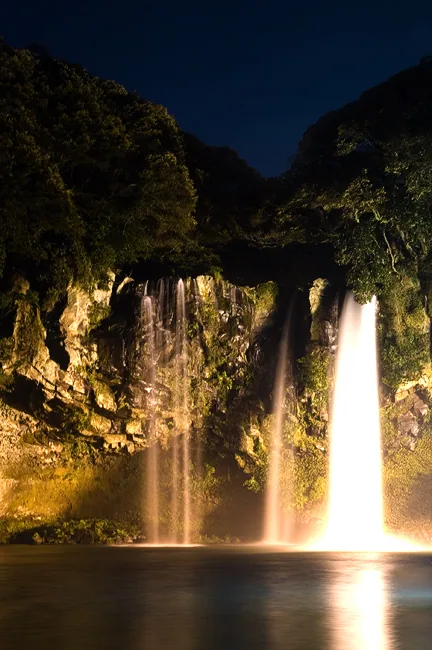
Cheonjiyeon’s wooded gorge shelters a deep pool that is a habitat for marbled eels. For a different view of water, leave the valley and head for Saeyeongyo, the footbridge from Seogwipo Port to Saeseom. The frame of branches opens into a harbour. Compare the shaded pool you have just seen with the sheltered basin and the water beyond the breakwater.
The painter whose name is on the street
Lee Jung-seop Street takes its name from the painter who found refuge here with his family during the Korean War. His modest former home lends a different scale to the artist’s name on the street signs. Read the account of the family at the house, then look again at the artwork reproduced along the street and how the town remembers him.
Read a Seogwipo fish menu
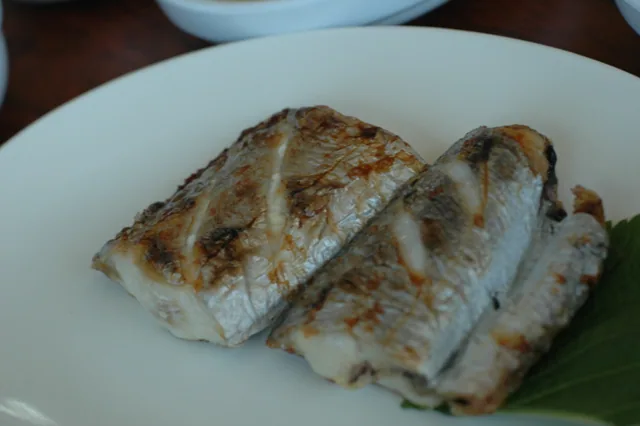
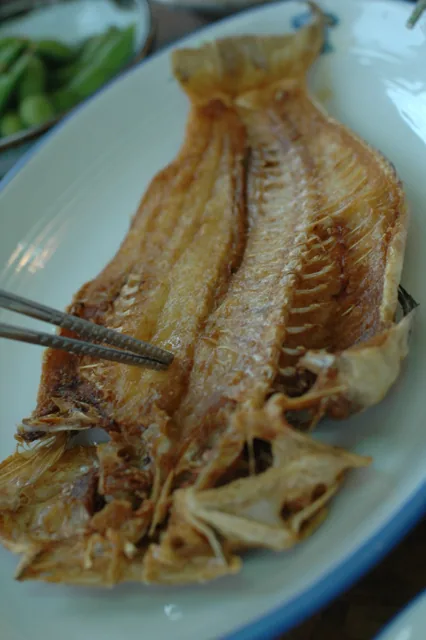
Two names to look for on a Seogwipo menu are galchi (갈치), cutlassfish, and okdom (옥돔), tilefish. Read the next word as well. Gui means grilled, jorim means braised in a seasoned liquid, and guk is soup. This lets you distinguish two very different cutlassfish dishes and recognise tilefish when it appears in a seaweed broth.
Photo notebook
Related information
Explore the regional featuresJEJU HOW editors